

Yes, UV DTF stickers apply successfully to curved surfaces when you understand the technique and challenges involved. Water bottles, tumblers, mugs, and cylindrical containers all accept UV DTF stickers with proper application methods.
Curved surfaces present unique challenges compared to flat applications, but the results are worth mastering the technique.
How UV DTF Stickers Bond to Curved Surfaces
Understanding adhesive behavior on curves helps achieve professional results.
Adhesive Flexibility
UV DTF adhesive flexes with curved materials without cracking or peeling. The cured bond adapts to surface curves maintaining full contact. Unlike rigid vinyl or screen printing, the flexible adhesive moves with the substrate during application and use.
This flexibility makes UV DTF ideal for curved surfaces that flex and expand. Bottles and tumblers experience temperature changes causing material expansion - UV DTF adhesive accommodates this movement.
Pressure Distribution
Even pressure across the entire curved surface ensures complete adhesive contact. Curves make consistent pressure difficult - pressing too hard in one spot leaves gaps elsewhere. Proper technique distributes pressure gradually rather than forcing contact all at once.
Material Compatibility
Smooth curved surfaces accept UV DTF better than textured curves. Glass and metal smooth curves provide ideal contact. Textured or embossed curves create contact gaps. Choose smooth substrates for best results.
Curve Degree Matters
Gentle curves work easily - water bottles and standard tumblers present no problem. Extreme curves like bottle necks or sharp angles challenge adhesion. Very tight curves approaching 90-degree angles require special techniques or alternative methods.
Best Curved Surface Applications
UV DTF excels on specific curved items where durability matters.
Water Bottles & Tumblers
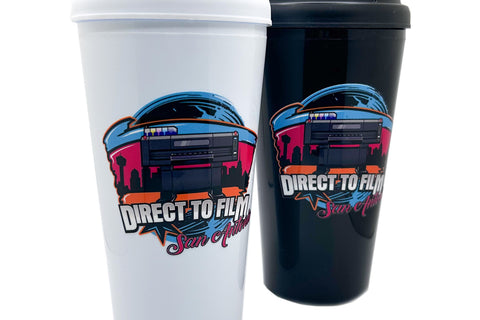
Most common curved application for UV DTF stickers. Insulated tumblers and water bottles are ideal - smooth cylindrical surfaces provide perfect contact. Apply custom UV DTF stickers to bottles for outdoor merchandise, promotional giveaways, or personal gifts.
These items experience constant moisture, temperature changes, and daily handling - UV DTF's waterproof durability handles all these conditions reliably.
Mugs & Drinkware
Ceramic and porcelain mugs accept UV DTF stickers effectively. The smooth glazed surface provides excellent adhesion. Personalized mugs become treasured gifts lasting years with UV DTF decoration.
Durable adhesion survives dishwasher cycles - UV DTF bonds stronger than traditional decals on drinkware.
Curved Phone Cases
Protective phone cases with slight curves work well with UV DTF. Personalized phone cases become fashion statements and protective gear combined. The waterproof adhesive resists moisture better than screen-printed cases.
Cylinders & Containers
Spray bottles, containers, and cylindrical packaging accept UV DTF stickers for branding and personalization. The uniform curves provide consistent application challenges and results.

Challenges with Curved Surfaces
Curved applications present specific obstacles requiring technique adjustments.
Air Bubble Formation
Bubbles trap under stickers on curves when pressure isn't perfectly even. Gentle curves become problematic if you press too hard initially. Air pockets form in gaps where the sticker doesn't make full contact.
The curved geometry makes bubble elimination harder than flat surfaces. Gradual pressure application prevents most bubbles.
Edge Lifting
Sticker edges peel away if adhesion isn't complete along the entire perimeter. Curves stress edges more than flat surfaces. Incomplete edge contact causes premature failure within weeks.
Curved edges require extra attention ensuring complete adhesive contact from center to edges.
Uneven Pressure Application
Applying even pressure across a curve is more difficult than flat surfaces. Hands naturally press harder in the center. Curved geometry requires a different pressure distribution than flat work.
Tools like squeegees help distribute pressure evenly across curves.
Adhesion at Transition Points
Where curves change angles (bottle neck to body, cup mouth to side) adhesion weakens. Transition points create contact gaps requiring special technique to overcome.
Techniques for Successful Curved Application
Master these techniques for professional curved surface results.
Surface Preparation
Clean thoroughly before application. Oils, dust, and residue prevent adhesion on curves worse than flat surfaces. Use rubbing alcohol on curved surfaces - residue settles in curve depressions.
Dry completely after cleaning. Moisture trapped in curves causes adhesion failure.
Sticker Sizing
Design sizing matters on curves. Extremely large stickers covering significant curve distance become difficult to position and press. Medium-sized stickers (3x4" to 4x5") work best on standard water bottles and mugs.
Sizing appropriately reduces application difficulty. Browse sticker size options before ordering.
Pressure Application Method
Start at the design center and work outward toward edges with gradual, consistent pressure. Never press hard initially on curves - this forces air into pockets. Gentle pressure maintained for 15-20 seconds works better than hard pressure for 5 seconds.
Use medium-firm steady pressure rather than aggressive force.
Using Application Tools
Squeegees and silicone rollers distribute pressure more evenly than fingers. Credit cards work in a pinch but professional squeegees give better control. The tool's edge follows curve contours better than your hand.
Start from the center with tools and work systematically toward the edges.
Heat Assistance (Optional)
Gentle heat from a heat gun (300°F, brief application) can help adhesion on difficult curves. The warmth makes adhesive slightly more pliable. This optional step helps stubborn applications but isn't necessary for most curves.
Never use excessive heat - keep distance and duration minimal.
Segmented Design Placement
Breaking large designs into sections works for extreme curves. Multiple smaller stickers positioned side-by-side cover large areas while respecting curve geometry. This technique handles tight curves that solid stickers can't manage.

Comparing Curved Surface Performance
Different materials handle curves differently.
Glass Bottles
Smooth glass provides excellent adhesion. The non-porous surface and consistent texture ensure reliable UV DTF performance. Glass curves are forgiving - adhesion works easily on standard bottle shapes.
Temperature resistance matters - glass handles hot liquids and freezing conditions without compromising adhesion.
Plastic Containers
Flexible plastic requires careful pressure control. The material flexes and stretches more than glass, stressing sticker adhesion. Plastic surfaces sometimes have mold marks creating texture variation that affects adhesion.
Choose rigid plastic containers over highly flexible ones for best results.
Metal Tumblers
Cold metal presents application challenges. Room-temperature pressing works but warming the tumbler slightly (to 80-90°F) improves adhesion. Metal's smooth, non-porous surface bonds well when temperature is right.
Insulated tumblers with double walls require extra care ensuring inner wall separation doesn't create movement stressing adhesion.
Ceramic Items
Glazed ceramic surfaces work well when properly cleaned. The glaze provides smooth contact. Rough or matte finishes create contact gaps requiring extra pressure.
Common Mistakes on Curved Surfaces
Pressing Too Hard Initially
Aggressive pressing forces air into curves creating bubbles that destroy the application. Let pressure build gradually. Hard pressing doesn't accelerate bonding on curves - it ruins adhesion.
Ignoring Edge Contact
Focusing only on center contact leaves edges unsecured. Edges lift first on curves because they experience more stress. Verify complete edge contact before considering the application finished.
Applying Oversized Stickers
Stickers too large for the curve don't conform properly. Large stickers covering significant curve distance wrinkle and bubble. Size stickers appropriately for the specific curve.
Contaminated Surfaces
Residue in curve depressions prevents adhesion worse than flat surfaces. Gravity pulls oils and dust into curves. Extra thorough cleaning matters more on curves.
Rushing the Application
Taking time ensures success on curves. Rushing causes mistakes - inadequate pressure, incomplete edge contact, air bubbles. Allow 30-60 seconds per application rather than 10-15 on flat surfaces.
When Curved Surfaces Don't Work
Some situations require alternative approaches.
Extreme Curves
Bottle necks and tight curves approaching 90-degree angles exceed UV DTF capability. Extreme curves prevent adequate pressure distribution and adhesion. These areas need alternative decoration methods.
Multiple Angles
Complex 3D shapes with angles changing in multiple directions resist UV DTF. Bottles are simple curves - complex sculptural shapes don't work well. The geometry prevents even pressure distribution.
Better Alternatives
Embroidery works for flexible curved items. Screen printing handles some curves better than UV DTF. Direct-to-garment works on soft curved garments. Evaluate your specific item to determine the best decoration method.
According to the Specialty Graphic Imaging Association, adhesive transfer methods succeed on 80%+ of common curved surfaces when proper technique is applied.
Conclusion
UV DTF stickers apply successfully to most curved surfaces when you understand pressure distribution, surface preparation, and sizing requirements. Master curved application techniques and unlock new product customization opportunities for water bottles, mugs, tumblers, and cylindrical containers.