

Sublimation printing on cotton is technically possible but produces poor results that fade quickly and don't meet professional standards. Cotton fibers reject sublimation ink, leaving prints that look dull and lack durability.
Understanding why sublimation fails on cotton helps you choose the right printing method for your projects.
Can You Sublimate on Cotton?
The short answer is no - sublimation doesn't work reliably on cotton.
Sublimation requires polyester or poly-coated substrates to bond properly. Cotton's natural fibers are incompatible with the sublimation process. While some printers attempt cotton sublimation using heavy pretreatment chemicals, results remain disappointing compared to proper polyester sublimation or DTF alternatives.
Professional printers avoid cotton sublimation because the cost of pretreatment chemicals nearly equals the cost of simply switching to polyester. The results don't justify the effort.
Why Sublimation Struggles on Cotton
Sublimation's chemical process doesn't align with cotton's fiber structure.
How Sublimation Works
Sublimation converts solid dye into gas under heat and pressure. The gas permeates synthetic fibers and permanently bonds as it cools. This process requires specific fiber types to succeed.
Polyester and synthetic fibers have hollow structures accepting gaseous dye. Cotton's cellulose fibers are solid and dense, rejecting sublimation ink. The dye sits on the surface rather than bonding within fibers, creating surface-level prints prone to cracking and fading.
Fiber Incompatibility
Cotton's dense cellulose structure prevents dye penetration. Sublimation dye can't convert to gas effectively on cotton. Even with pretreatment, penetration remains minimal. Compare sublimation vs DTF differences to understand fundamental process variations.
Chemical Rejection
Cotton doesn't chemically bond with sublimation dye the way polyester does. The ink either sits on fiber surfaces or creates brittle connections easily damaged by washing and wear. Colors fade after just 5-10 washes compared to 50-100+ with proper sublimation on polyester.

What Happens When You Try Sublimation on Cotton
Attempting sublimation on untreated cotton produces visible failures.
Dull, Faded Appearance
Colors appear washed out and lifeless compared to polyester sublimation. Reds look pink, blacks look gray, and detail disappears. The finished product looks unprofessional and inferior to properly-printed polyester.
Cracking and Peeling
Prints crack during flexing and peel from the fabric surface within weeks. Cotton movement during wear stresses the fragile surface-level dye bond. Regular washing accelerates deterioration.
Bleeding and Feathering
Dyes bleed into adjacent fabric areas creating fuzzy, poorly defined designs. Text becomes illegible. Fine details disappear. Gradients and color transitions blur together.
Rapid Fading
Colors fade dramatically after 5-10 washes. Reds shift to pink, blues become pale, and vibrant designs look tired. Customers notice fading quickly and express disappointment.
Better Alternatives for Cotton
Several proven methods work reliably on cotton fabric.
DTF Printing
DTF transfers produce vibrant, durable prints on cotton. No pretreatment required. Colors stay bright through 50-100+ washes. DTF handles full-color designs, photographs, and complex graphics. Prints feel soft and look professional. This is the best choice for cotton custom apparel.
Screen Printing
Traditional screen printing creates thick, durable ink layers bonding well to cotton. Works for simple 1-3 color designs. Excellent fade resistance and mechanical durability. Setup fees make small orders expensive, but perfect for large batches.
Direct-to-Garment (DTG)
DTG embeds water-based inks directly into cotton fibers. Produces soft prints with excellent color accuracy. Lasts 30-50 washes with proper care. More expensive per garment than DTF but popular for one-off custom orders.
Heat Transfer Vinyl
Vinyl cuts work for text and simple logos on cotton. Survives 50+ washes when properly applied. Limited to solid colors without gradients. Good for personalization and single-color designs.

Polyester vs Cotton for Sublimation
Understanding material differences clarifies why sublimation works only on polyester.
Polyester Success
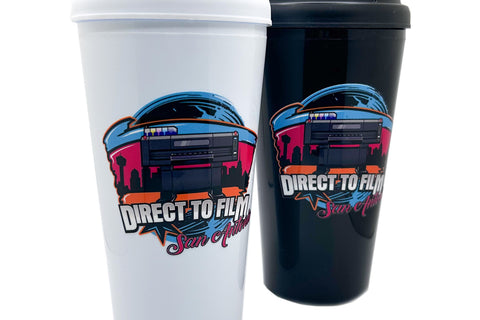
Polyester fibers have hollow structures accepting sublimation dye perfectly. Dye converts to gas, permeates fibers, and bonds permanently during cooling. Colors remain vibrant through 100+ washes. Professional sublimation transfers from DTF San Antonio™ produce excellent results on polyester items like mugs, tumblers, and performance wear.
Polyester blend fabrics (poly-cotton) work better than pure cotton but are inferior to 100% polyester. The higher the polyester content, the better sublimation results.
Cotton Failure
Cotton's solid cellulose structure rejects sublimation dye fundamentally. No amount of pretreatment overcomes this chemical incompatibility. Attempts create surface-level prints lacking durability and professional appearance.
According to ISO standards for textile printing, sublimation-dyed fabrics must contain a minimum 65% polyester for acceptable results. Pure cotton fails all professional standards for sublimation durability testing.
When Cotton Works With Sublimation (Rarely)
Very specific circumstances allow limited cotton sublimation success.
Heavy Pretreatment
Specialized chemical pretreatments can facilitate partial dye penetration into cotton. Requires expensive chemicals, time-consuming application, and multiple heat cycles. Results still underperform polyester sublimation significantly. The process costs so much that switching to polyester becomes economical.
Blend Fabrics
Cotton-polyester blends with 50%+ polyester accept sublimation reasonably well. The polyester content enables dye acceptance. Results exceed pure cotton but don't match 100% polyester quality. Follow sublimation dye application instructions carefully when working with blends.
Decorative Non-Apparel Items
Sublimation works on cotton home décor (pillows, blankets, wall hangings) where durability requirements are lower. These items get washed less frequently than apparel. Aesthetic results matter more than longevity. Even here, polyester alternatives produce better outcomes.
Choosing the Right Method for Cotton
For cotton apparel, always choose DTF, screen printing, DTG, or vinyl - never sublimation.
DTF delivers best results combining vibrant colors, durability, and cost-effectiveness. No minimums or setup fees. Full-color designs at the same price as simple logos. Same-day delivery available for quick turnaround.
Screen printing excels for large orders with simple designs. Long-lasting results but expensive setup fees. Works best for 100+ identical shirts.
DTG produces soft prints with excellent color accuracy but costs more per garment. Best for small custom orders prioritizing photo-quality reproduction.
Vinyl works for text and simple logos at lowest cost. Limited design complexity but proven durability.
For polyester items, choose professional sublimation transfers delivering vibrant, permanent colors.
Conclusion
Sublimation doesn't work on cotton - the fiber structure, chemical properties, and fundamental process incompatibility make it impossible to achieve professional results. Choose DTF, screen printing, DTG, or vinyl instead for reliable, durable cotton printing that meets customer expectations. For polyester items, sublimation offers superior durability and color vibrancy.